Infrastructure for private market capital
Croton is building the systems that let private market investors fund their commitments on a schedule they can plan around.
The name
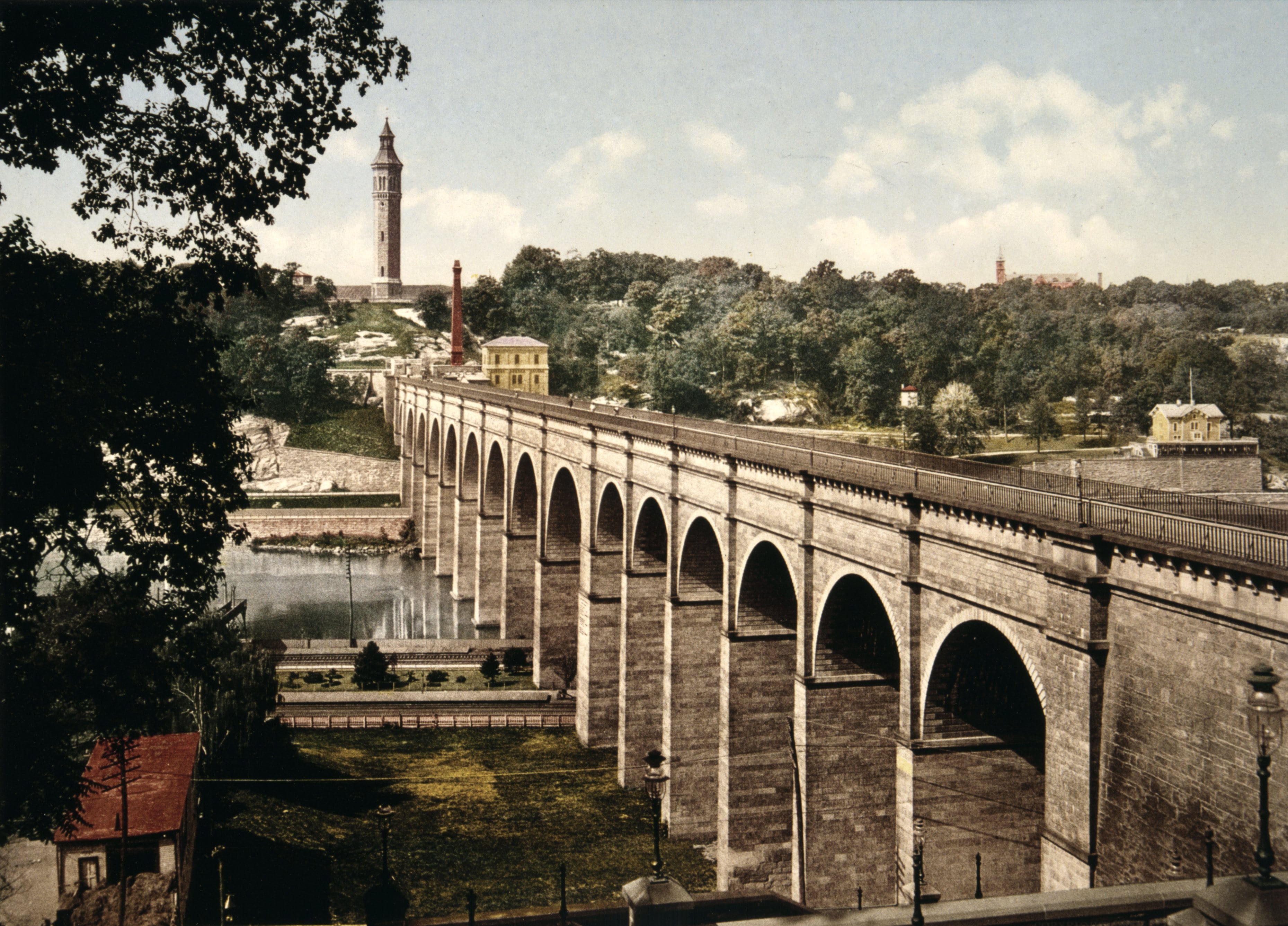
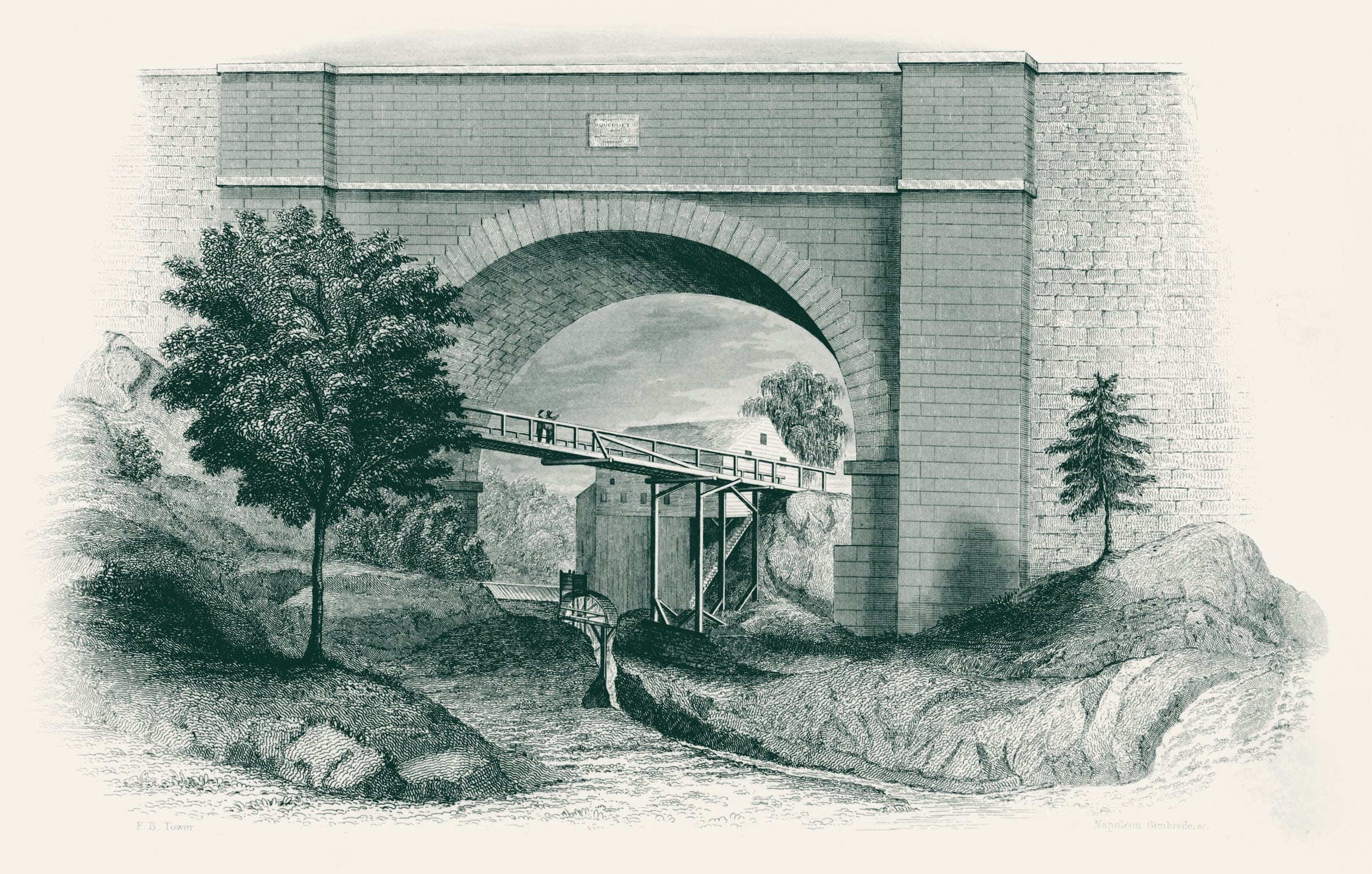
Croton takes its name from the river and the aqueduct that first brought its water to New York. Built between 1837 and 1842, the Old Croton Aqueduct carried water forty-one miles from a dam on the Croton River to reservoirs in Manhattan, falling about thirteen inches a mile so that gravity did the work.
Before it, a fast-growing city relied on wells and cisterns that were polluted and could not keep pace. The aqueduct turned a variable natural resource into a dependable supply, and it stayed in service for more than a century.
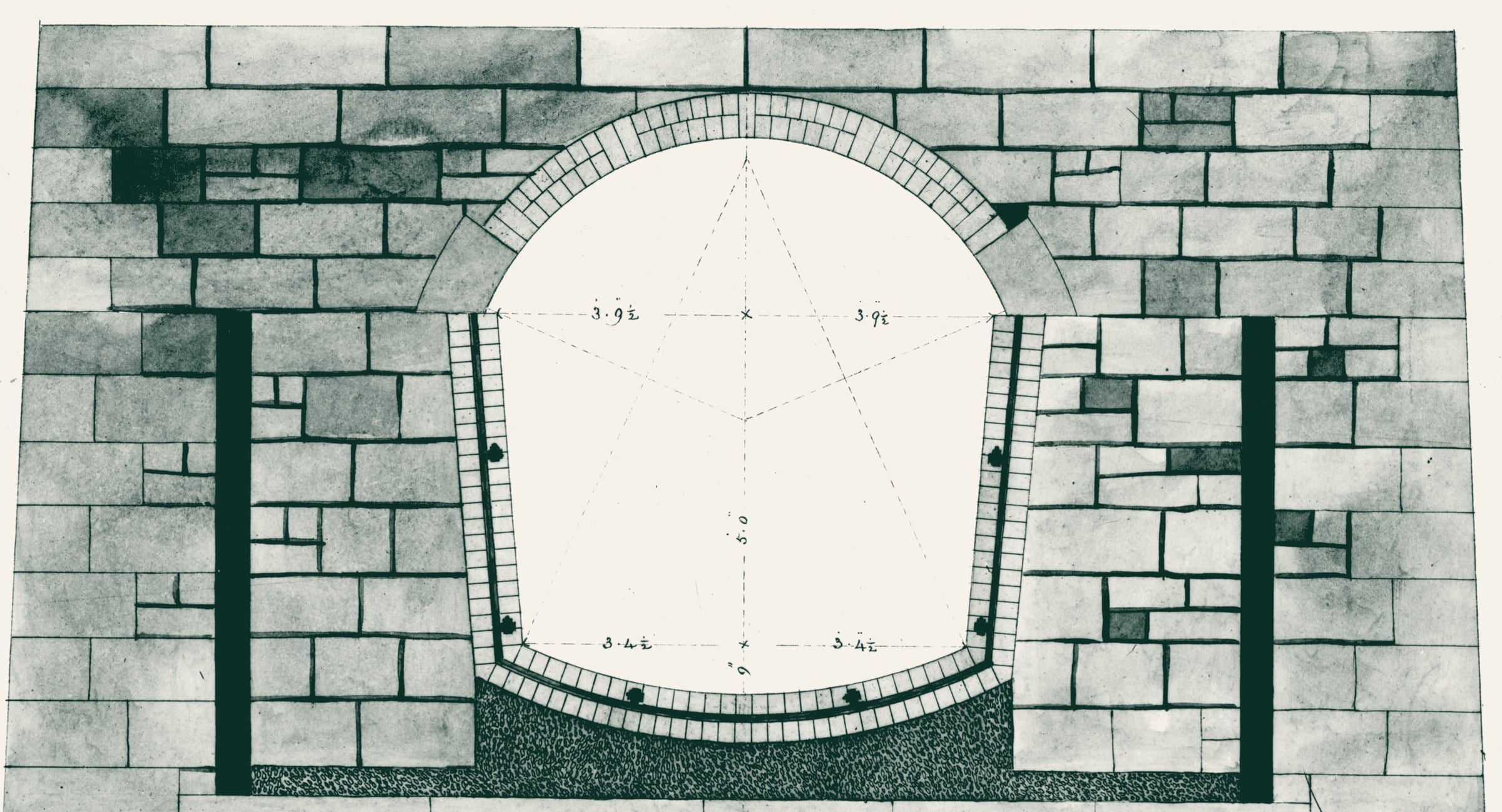
Its conduit was a brick arch set in stone. The same arch forms the counter of the final letter of our name.
A dependable supply from an irregular source
Private market investors face a version of the same problem. They know what they have committed, but capital is called on the managers’ timetable, so they hold cash against calls that may not come for years.
Croton turns those irregular demands into a regular schedule: payments into an account the investor owns, calls paid from it, and defined support when a call comes early.
Built for a long horizon
We are starting with one problem: the timing of capital calls. Solving it properly takes custody, call processing, underwriting and financing that work together reliably, for many investors and many funds at once.
That is infrastructure, and we intend to build it to last. In time it can serve private market investors and the people they invest with in other ways, but our attention now is on doing the first thing well.
More from every commitment.
Croton gives private market investors a more predictable way to fund their commitments. If you invest in private markets, or advise those who do, we would like to hear from you.